Hello, welcome to XX Outdoor Tent Co., Ltd.!
Language:



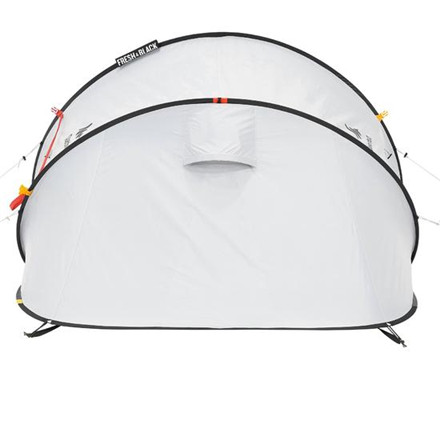
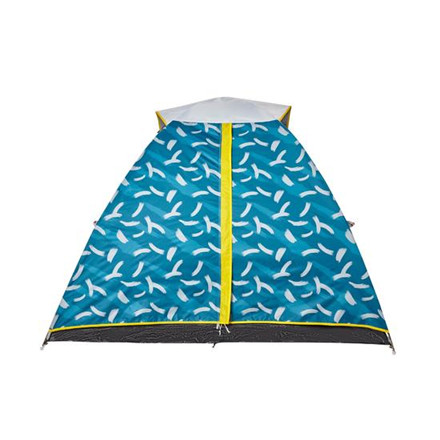
Every summer, music festivals draw massive crowds, but alongside the joy of live performances comes a significant environmental challenge: festival waste. For instance, events like Kendal Calling in the UK see thousands of attendees, and consequently, thousands of tents are often left behind. This trend not only highlights consumer habits but also sparks serious concerns about waste management and sustainability in the outdoor gear market.
The aftermath of these large-scale events raises questions about what happens to the discarded tents. Many are made of non-biodegradable materials, which can linger in landfills for years. In response, innovative solutions are being developed to tackle festival waste, emphasizing the need for sustainable practices among festival-goers.
Fortunately, a growing number of organizations are turning this waste into opportunity. Companies are now collecting abandoned tents from festivals and repurposing them for various uses. For example, some tents are transformed into products like bags, tarps, and even new camping gear. This not only reduces landfill contributions but also promotes a culture of recycling and sustainability.
In Southeast Asia, particularly in Indonesia, the concept of recycling festival waste is gaining traction. Local initiatives focus on educating festival attendees about responsible waste disposal and encouraging them to take their tents home or donate them to those in need. This shift in mindset is crucial as the region continues to host more outdoor festivals, thereby increasing its environmental footprint.
With the rise in awareness regarding environmental issues, the outdoor gear market is also evolving. Brands are increasingly focusing on sustainability when designing products. Campers are looking for durable, eco-friendly gear that minimizes impact on the planet. This demand is prompting manufacturers to rethink their materials and production processes.
For example, some companies are adopting recycled materials in their product lines. The transition is not only beneficial for the environment but also for business; more consumers are choosing products that align with their values. Reports suggest a significant increase in sales for brands that prioritize sustainability, indicating a promising future for eco-friendly outdoor gear.
Festivals are not just about music and entertainment; they also serve as platforms for community engagement and activism. Many festivals are beginning to incorporate environmental initiatives into their programming, such as workshops on sustainability and waste management. These efforts aim to educate attendees about the importance of responsible consumption.
Moreover, communities are organizing clean-up events post-festival to encourage environmental stewardship. The involvement of local organizations and volunteers is vital in these initiatives, as they help foster a sense of responsibility among festival-goers. By participating in these activities, individuals can contribute to preserving the natural beauty of festival locations.
Social media plays a significant role in raising awareness about festival waste and sustainability. Campaigns showcasing the impact of abandoned tents are gaining traction online, prompting discussions around environmental responsibility. Influencers and eco-conscious brands are collaborating to amplify these messages, reaching wider audiences and inspiring change.
Platforms like Instagram and TikTok are becoming spaces where users can share tips on sustainable festival practices, from packing considerations to waste management strategies. This digital engagement is crucial in motivating younger generations to embrace greener habits, ultimately influencing the outdoor culture as a whole.
As the festival culture continues to evolve, the focus on sustainability is becoming increasingly vital. The repurposing of abandoned tents is just one example of how communities can combat waste and promote a greener future. With the rising demand for eco-friendly outdoor gear and the support of initiatives aimed at waste reduction, the landscape of festivals is likely to change for the better.
As consumers, we can all contribute to this movement by informing ourselves, making sustainable choices, and participating in efforts to reduce waste. The journey toward a sustainable festival culture is ongoing, but with collective action, we can make a positive impact on our environment.
 Scan QR code to follow us

24-Hour Hotline+86 0000 88888

Mobile Phone13988888888
Copyright © 2002-2022 XX Outdoor Tent Co., Ltd. All rights reserved EMAIL:rekhamonikaraja@gmail.com Address:Panyu Economic Development Zone, Guangzhou City, Guangdong Province ICP: Site Map