Hello, welcome to XX Outdoor Tent Co., Ltd.!
Language:



In recent years, a notable trend has emerged among young consumers, particularly in Southeast Asia: the preference for renting over buying products. This shift is not just a fleeting fad; it reflects deeper changes in consumer behavior, driven by economic conditions and evolving societal values. With the cost of living rising and economic uncertainty hanging over many, young individuals are leaning towards rental services as a practical alternative.
In Indonesia, rapidly growing urban populations in cities like Jakarta and Surabaya are seeing an increase in platforms offering rental services, from electronics like cameras to outdoor gear and even furniture. The appeal lies in the reduced financial commitment that renting provides, enabling consumers to enjoy high-quality goods without the hefty price tag. For example, a premium camera priced at $420 can be accessed for just $10 per rental, making high-tech goods accessible to a broader audience.
The urgency of this trend cannot be overstated. In Indonesia, young people are responsible for a significant portion of economic activity. As they gravitate towards rentals, businesses must pivot to cater to these new preferences. This adaptation is particularly crucial in the outdoor and camping gear sector, where companies can leverage platforms that allow for gear rental, thus enhancing accessibility for adventure seekers.
Moreover, governments across ASEAN nations are beginning to take notice. As the rental economy expands, they may need to rethink regulations and support structures to foster this emerging market. The implications go beyond mere consumer habits; they affect economic policies and market dynamics.
Renting can lead to a more sustainable consumption model. By opting for rentals, consumers reduce their overall environmental footprint, as it encourages the sharing of resources rather than individual ownership. This aligns with broader global sustainability goals, making it a timely topic for discussion.
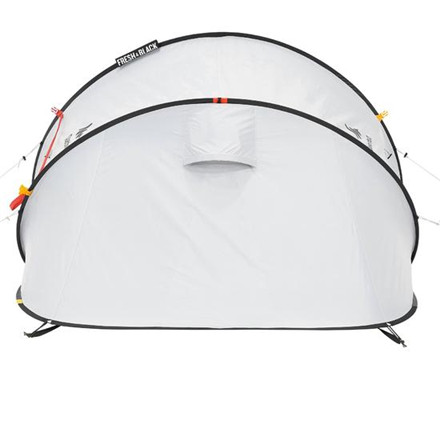
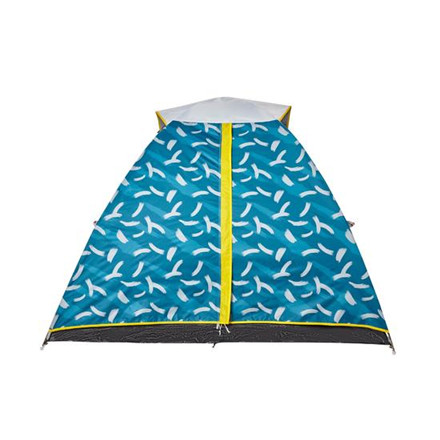
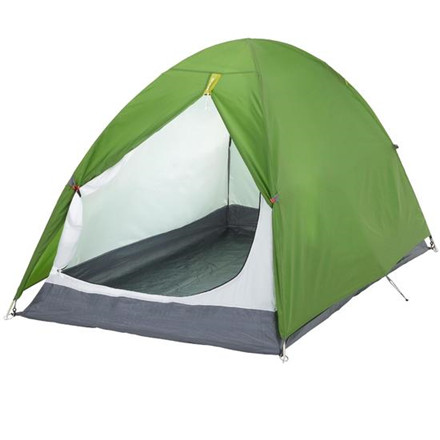
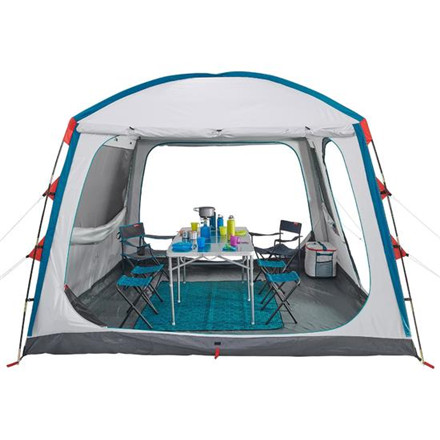
Additionally, sectors such as technology and outdoor equipment can greatly benefit from the rise in rental services. For instance, companies offering camping gear rental can tap into the growing trend of eco-tourism and adventure travel in regions like Bali, attracting both local residents and international tourists.
For businesses, adapting to this trend involves not only providing rental options but also enhancing the customer experience. Companies that can streamline the rental process, ensuring easy access and payment methods, will likely see a competitive advantage.
Moreover, leveraging technology is key. Platforms that incorporate features such as user reviews, real-time availability, and convenient pickup/drop-off locations will attract more young renters. These innovations are crucial in a market that is increasingly defined by digital interactions.
The shift towards a rental economy among young consumers in Southeast Asia marks a significant change in the marketplace. As the desire for access over ownership grows, businesses and governments must pay attention to these trends. By embracing this shift, they can foster a more sustainable and economically viable future. Whether it’s outdoor gear for a weekend adventure or the latest tech gadgets for everyday use, the rental economy is here to stay, shaping the way we consume and interact with goods.
 Scan QR code to follow us

24-Hour Hotline+86 0000 88888

Mobile Phone13988888888
Copyright © 2002-2022 XX Outdoor Tent Co., Ltd. All rights reserved EMAIL:rekhamonikaraja@gmail.com Address:Panyu Economic Development Zone, Guangzhou City, Guangdong Province ICP: Site Map